
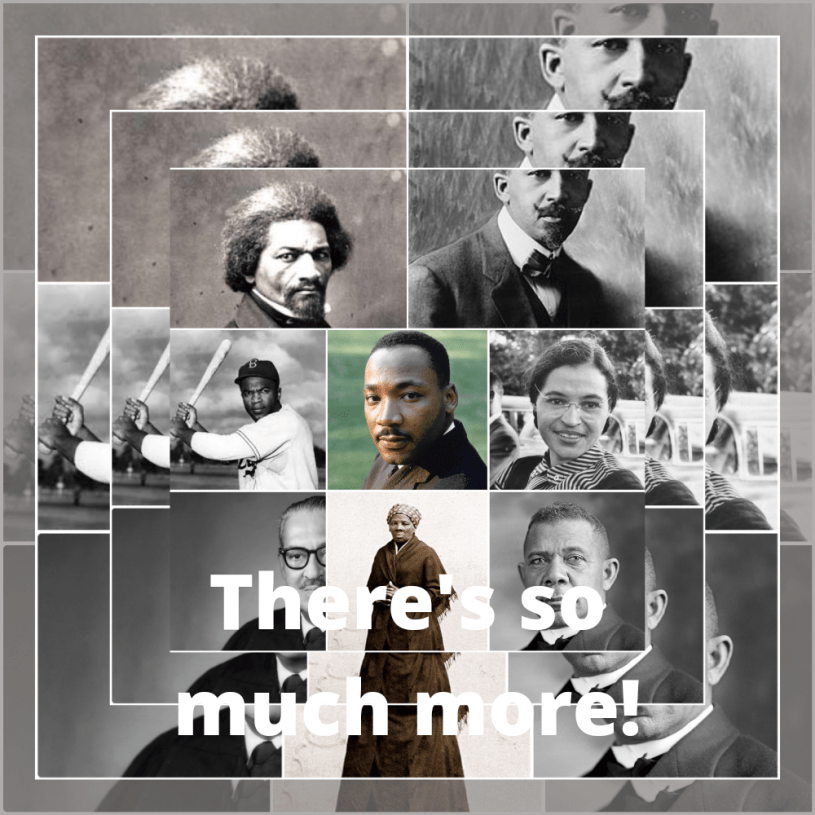
In honor of Black History Month, I felt the need to write about some lesser known Black scientist that history has all but forgot. Yes we know about the George Washington Carvers (The PB in my PB&J), Benjamin Banneker (why we Americans have clocks), and Elijah McCoy (The Real McCoy when it came to Trains); but there is so much more. So let’s learn together.
Charles Henry Turner: The man who first found Animals can have complex thought
Charles Henry Turner (1867 – 1923) was a neurologist, biologist, and psychologist who was a trailblazer in animal cognition and behavior studies.
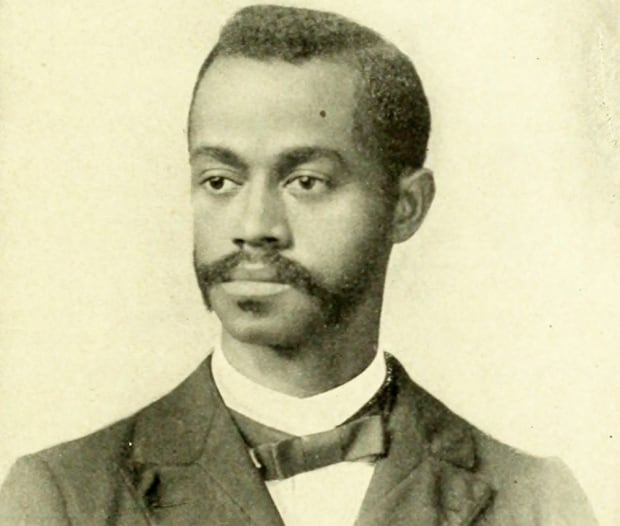
He had the perseverance to be one of the first African Americans to earn a PhD from the University of Chicago, and in 1892, was the first Black scientist to be published in Science, the prestigious journal of the American Association for the Advancement of Science. And actually still is a prestigious journal today
He was a tenacious and productive researcher, publishing over 30 scientific papers by the time he got his PhD. Despite his achievements, he couldn’t find work as a researcher for a University due to racial barriers (AKA Racism) and ended up teaching at an all-Black high school in St. Louis, Mo., instead. That’s sad for Charles and cool at the same time for the students.
Even without access to lab facilities or proper funding for his research, he pursued his dreams at an impressive pace. He made groundbreaking discoveries in the field of animal behavior, which went against his peers ideas of the time that suggested animals were not capable of complex cognition. So yeah, your cat and dog are thinking more than just eating your leftovers.
Some of his many discoveries was being the first to prove that insects have the capacity to hear, that they can learn by trial and error, and showed how bees use olfactory and visual cues to find nectar.
However, this pioneering research was all but forgotten, resulting in many white scientists “re-discovering” his findings up to a century later. And they say we don’t read?
Sophia B. Jones: Public Health Master
Sophia B. Jones (1857 – 1932) became the first Black woman to graduate from the University of Michigan’s Medical School in 1885, and dedicated her career to fighting systemic racism in the health care system.
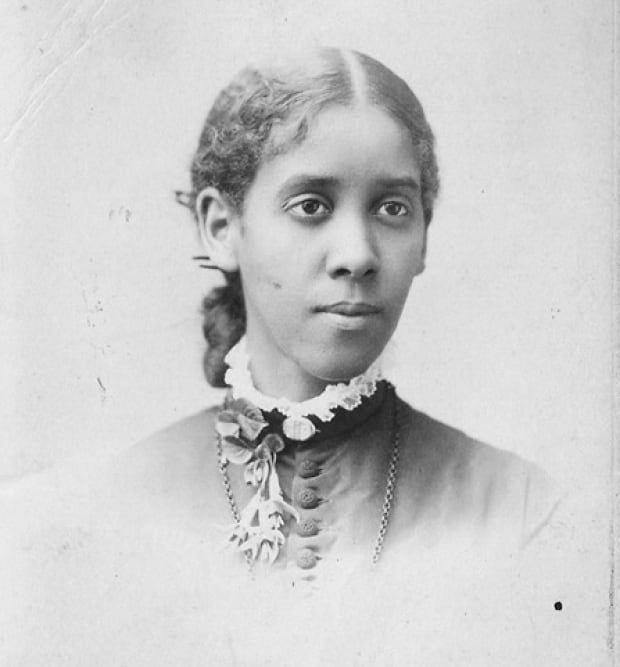
Sophia B. Jones was born in Chatham, Ontario, and was fascinated by science. She wanted to study medicine from a young age. But she could not access full medical training at the University of Toronto because Sexism of course. However she was accepted by the University of Michigan which had started admitting women in 1870.
She became the first Black woman to graduate from the University of Michigan medical school, and then became the first Black faculty member at Atlanta’s Spelman College (HBCUs rock) in 1885, where she organized the first training program for nurses in the American South.
During her long and illustrious career, she practiced medicine in St. Louis, Philadelphia, and Kansas City, leading many public health programs and pushing for health equity for Black Americans. She even published the retrospective article “Fifty Years of Negro Public Health” in 1913, looking at systemic barriers to health care for Black people. Kinda crazy we are still dealing with this over 100 years later. We need more Sophia B. Jones
Gladys West: The Woman who gave us GPS
Gladys West (1930 – present) is a mathematician whose extremely detailed model of the Earth became the foundation of GPS that is used today in countless applications, including navigation and communication.
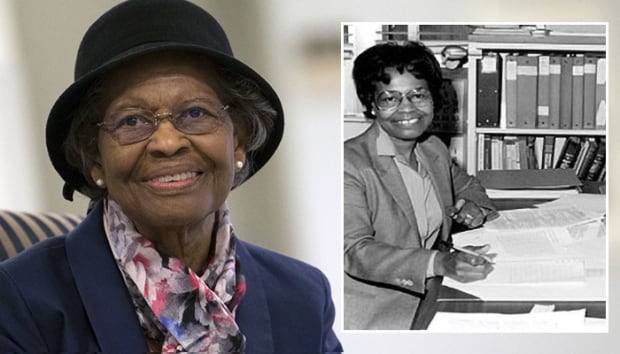
Born in 1930 in a small community in Virginia, West dreamed of leaving country life, and knew that education was probably her only way out. She worked hard to earn top grades to win a full scholarship to Virginia State College, and took on babysitting and teaching jobs to support herself.
After Gladys graduated with a master’s in Mathematics in 1956, she was hired by the U.S. Naval Surface Warfare Center, and became only the second Black woman ever to be hired at the facility.
The very first computers arrived during that time as well, so she soon learned how to program to analyze satellite data.
She demonstrated her skills working on very important studies looking at Pluto’s motion relative to Neptune. Thus she was named project manager for the Seasat Radar Altimetry Project, the first satellite that could monitor the oceans. It was on this project that she created the detailed mathematical model of the shape of the Earth. This project which accounted for things like gravitational and tidal forces that change the Earth’s shape.
After retiring in 1998, and even recovering from a stroke, she went back to school to earn her PhD at the age of 70! This woman is awesome! It was only in 2017, after the release of the movie Hidden Figures, that she started to receive recognition for her role in revolutionizing navigation. And finally in 2018 she was inducted into the Airforce Space and Missile Pioneers hall of fame.
Alice Ball: Researched the impossible
Alice Ball (1892 – 1916) became the first Black person and the first woman to earn a master’s degree in chemistry at the College of Hawaii. (Breaking all types of walls here) In her very short life, she developed the first effective treatment for leprosy, a bacterial infection that has affected humans for thousands of years.
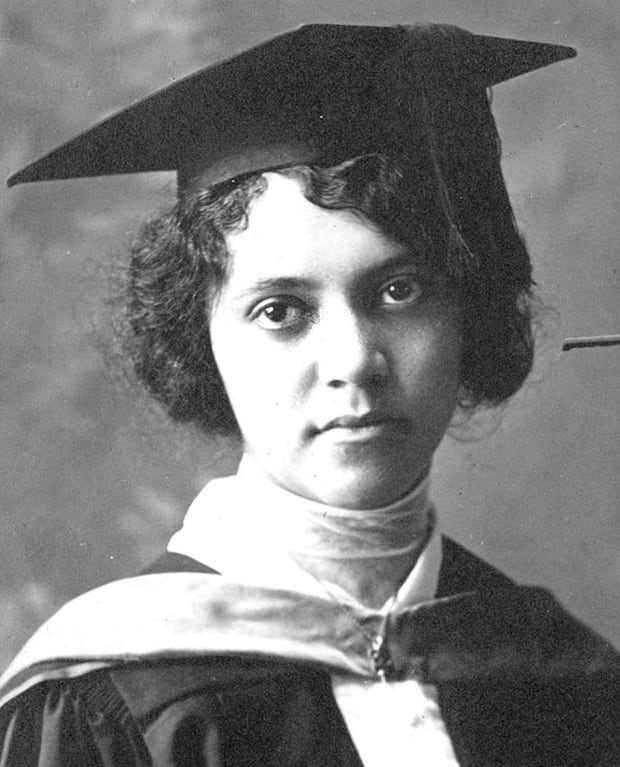
While working towards her degree in pharmaceutical chemistry (shout out to Pharm Chem majors) at the University of Washington, she had her work published in major science journals, which was rare for women, and especially Black women. After graduating, she moved to Hawaii to get her master’s degree, because why not especially with the weather. While there, she studied the oil from a chaulmoogra tree, which was used as a topical treatment for leprosy with mixed results. In 1915, Ball figured out how to isolate the fatty acid components of the oil and make it injectable so it would dissolve in the bloodstream. This became the first effective method to alleviate leprosy symptoms, changing the lives of thousands of leprosy patients around the world, who until then had to live in isolation to avoid spreading the disease. Basically Grey scale for my Game of Thrones fans.
However, she was unable to publish her results herself, as she died in 1916 at the age of 24. Some accounts suggest she died after inhaling chlorine gas following a lab accident. (Really?) A year later, the president of the University of Hawaii claimed her discovery for himself and published the findings without giving her credit. (Wait I’m starting to think her death wasn’t really accident?) It wasn’t until 1922 when her colleagues published her findings that she was given the recognition she deserved, although the University of Hawaii didn’t formally recognize her work for nearly 90 years. (Of course didn’t) Even though her research career was tragically cut short, the “Ball method” was used for decades until new treatments were discovered
Conclusion
As you can see there are some names up here that I certainly didn’t even hear about until I decided to start researching this topic. The black struggle in history is paved with tragedy and pain. However, there are always gems, diamonds ,and nuggets of success that inspire. These stories and more need to be heard and as scientist we should also understand and celebrate such achievements.
Writers Note
Much of this information was referenced from other articles that if interested you can check out more to learn in the links below. Happy Black History Month!
Meet 7 groundbreaking Black scientists from the past – CBC Radio
Ten Black Scientists that Science Teachers Should Know About – PBS
 Science Splaining